










A hedgehog in the garden is a very special experience for many people. These spiky creatures are not only cute to look at, but also extremely useful, as they devour slugs, insects, and other pests. However, hedgehogs are endangered and depend on our support. In this article, you will learn how you can encourage and protect hedgehogs in your garden – with tips on proper feeding, the right hedgehog house, and important information about hibernation.
Interesting facts about hedgehogs
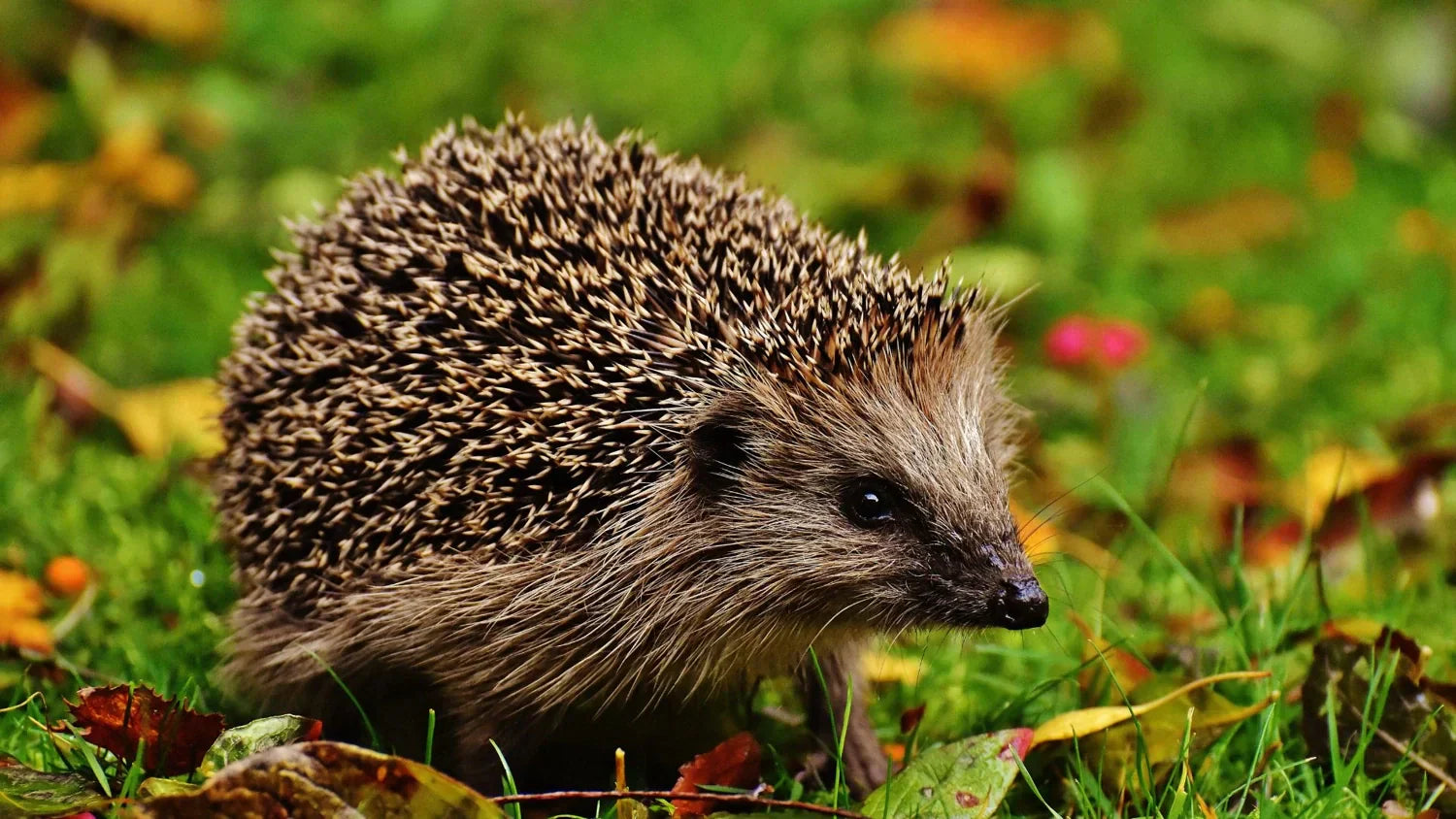
The hedgehog is one of the most popular wild animals in German gardens. With its spiky back and endearing behavior, it is not only fascinating but also a useful helper. Hedgehogs feed primarily on insects and thus contribute to naturally reducing garden pests. In Central Europe, the European hedgehog is the most widespread species. It is crepuscular and nocturnal and hibernates during the colder months.
A hedgehog in the garden – is that a good sign?
If you spot a hedgehog in your garden, it's a sign of a natural and healthy environment. Hedgehogs prefer gardens with diverse structures, hedges, piles of leaves, and sheltered corners. This indicates that your garden offers ample food and safe hiding places – a true indicator of a nature-friendly habitat.
What do hedgehogs eat?
Hedgehogs are carnivores and feed primarily on insects, snails, beetles, caterpillars, and earthworms. In this way, they help maintain the ecological balance in the garden. Fruit and dairy products, on the other hand, are unsuitable and can even harm the animals.
Feeding hedgehogs – what do you need to know?
Especially in autumn or during dry periods, it can be helpful to feed hedgehogs. Please pay attention to the following:
- Use only suitable food: special hedgehog food , unseasoned cat food or boiled egg.
- Never give milk, as this will cause severe digestive problems.
- Always provide fresh water.
Here's how you can help the hedgehog build up enough fat reserves for hibernation.

Which hedgehog house is best?
A hedgehog house offers protection from predators, rain, and cold. Sturdy wooden houses with a small entrance (approx. 10 x 10 cm) and a removable roof for cleaning are recommended. A labyrinthine entrance prevents cats from getting in. The best location is a quiet, shady spot under bushes or hedges.
How do you build a hedgehog house yourself?
A hedgehog house can be built yourself using simple means:
- Dimensions: approx. 40 × 30 × 30 cm
- Material: untreated wood
- Entrance: approximately 10 × 10 cm
- Line the interior with dry leaves or hay.
This creates a perfect retreat for hedgehogs during the cold season.
How do you lure a hedgehog into a hedgehog house?
To attract hedgehogs, location is crucial. Place the hedgehog house under bushes, hedges, or in a sheltered corner of the garden. You can also put out a little food nearby – but please do so sparingly and only during certain times, such as autumn. Shelter such as piles of leaves in the garden increases the chances of a hedgehog taking up residence.

Why do hedgehogs hibernate and why is it so important?
Hedgehogs find little food in winter, which is why they hibernate. During hibernation, they drastically lower their body temperature, their heartbeat slows down, and they use up the fat reserves they accumulated in autumn. Without hibernation, hedgehogs could not survive the winter. A safe hedgehog house or a pile of leaves is therefore crucial for their survival.
Conclusion about hedgehogs in the garden
Having a hedgehog in your garden is a wonderful surprise. It shows that your garden is designed to be close to nature and actively contributes to pest control. With a suitable hedgehog house, a natural garden design, and a little help in emergencies, you can support and protect these spiky creatures.
Hedgehogs in the garden: Frequently asked questions
What does it mean to have hedgehogs in your garden?
It means that your garden is a natural habitat where wild animals feel comfortable.
What does a hedgehog like to eat?
He prefers to eat insects, beetles, earthworms and snails.
What time of day are hedgehogs active?
Hedgehogs are nocturnal. They emerge from their hiding places at dusk and search for food at night.
Who is the hedgehog's greatest enemy?
Besides natural enemies like owls or foxes, humans are the greatest danger – through road traffic, pesticides, robotic lawnmowers and the loss of habitats.


