






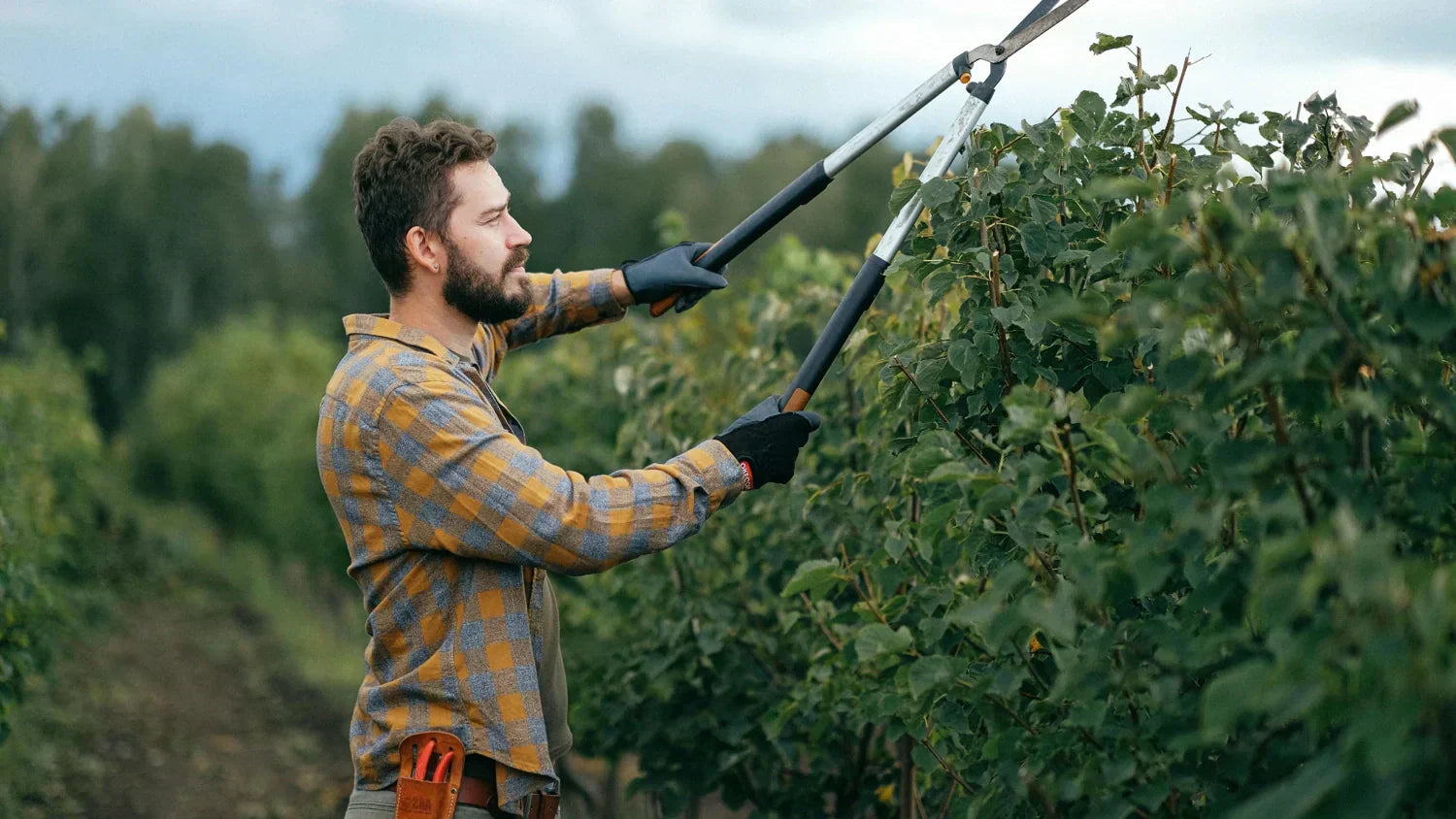
Regular pruning of trees and shrubs is crucial for healthy growth and an attractive garden appearance. By pruning trees and shrubs, you encourage the formation of new shoots, prevent leaf loss, and increase flower and fruit production. You also prevent disease and extend the lifespan of your plants. Without pruning, many woody plants grow uncontrollably, which can cause branches to break or shrubs to lose their shape.
When should you prune trees?
The ideal time for tree pruning depends on the tree species and the purpose of the pruning.
- Winter pruning (January to March): Stimulates growth while trees are dormant. Especially suitable for fruit trees.
- Summer pruning (June to July): Tames fast-growing trees and allows more light into the crown.
- Autumn pruning: Only recommended for minor adjustments and the removal of dead wood.
Tip: Avoid pruning during periods of severe frost or heat, as this will impair wound healing.
Pruning fruit trees: When is the best time?
For a rich harvest, the right time for pruning fruit trees is crucial:
- Stone fruit (apple, pear): The best time is late winter (February to March), when the trees will sprout vigorously.
- Stone fruits (cherries, plums): Prune immediately after harvest in summer. This allows cuts to heal faster and reduces the risk of fungal infections.
- Young fruit trees: receive a training cut to develop a stable crown.
A well-thought-out pruning not only promotes fruit quality but also prevents diseases.

Pruning trees in autumn: important tips
Autumn pruning is particularly suitable for maintenance work: Remove dead, damaged, or diseased branches to ensure the tree enters the winter in good health. However, severe pruning should be avoided, as otherwise the trees will enter the frost period weakened.
Difference between autumn pruning and spring pruning
- Autumn pruning: Ideal for maintenance —removing deadwood and adjusting the tree crown. Trees are less sap-rich, which makes the work easier, but they are more susceptible to frost damage.
- Spring pruning: Suitable for heavy pruning and shaping. Since the trees are just about to bud, the wounds heal faster. Winter/spring pruning is particularly recommended for fruit trees.
Prune shrubs correctly
The same applies to shrub pruning: Regular pruning ensures a healthy structure, abundant blooms, and a uniform appearance. Spring-blooming plants like forsythia or lilac should be pruned immediately after flowering, while summer-blooming plants like buddleia should be pruned in early spring. This prevents flower loss.
Which shrubs are pruned and how?
Not all shrubs have the same pruning needs. While some should be cut back immediately after flowering, others require a hard pruning in spring to promote abundant new shoots. The decisive factor is whether the shrub blooms on annual or perennial wood. Taking this into account will prevent flower loss and ensure healthy growth.
Cutting hydrangeas
For hydrangeas, the time of pruning depends on the variety:
- Hydrangeas: Best pruned in early spring . Carefully remove only old flower heads and dead shoots, as the plant has already formed buds for the upcoming blooms the previous year.
- Panicle and snowball hydrangeas: These varieties bloom on fresh wood and can therefore be pruned back heavily in spring (March to April) . This encourages numerous new shoots and abundant blooms.

Cutting roses
Roses benefit from spring pruning : Remove dead, diseased, or weak shoots and trim healthy shoots back to 3–5 buds. A light summer pruning after the first bloom extends the flowering period.
Pruning berry bushes
- Currants and gooseberries: Remove older shoots regularly, as the best fruit grows on young wood.
- Raspberries and blackberries: After harvesting, the harvested canes are cut back close to the ground. This creates space for new shoots that will bear fruit the following year.
Which garden shears and hedge trimmers are best?
High-quality tools are essential for a clean cut:
- Bypass shears: Ideal for fresh, green shoots – they cut gently and smoothly.
- Anvil shears: Better suited for thicker, woody branches.
- Hedge trimmers: Electric, battery-operated, or manual – depending on the size of the shrub. Look for ergonomic handles, sharp blades, and easy handling.
A sharp cut prevents the wood from being crushed and reduces the risk of disease.

Conclusion on the correct pruning of trees and shrubs
The right timing and the right pruning technique are crucial for healthy trees and shrubs. While spring pruning stimulates growth and maintains shape, fall pruning is primarily useful for maintenance. With sharp tools and a little practice, pruning is easy – and your garden will remain vibrant, blooming, and productive.
Frequently Asked Questions
When can you cut the bushes?
Light shrub pruning is permitted year-round. However, heavy pruning is only permitted from October to the end of February to avoid endangering nesting birds.
Trim shrubs in autumn or spring?
This depends on the flowering time:
- Spring bloomers: Prune immediately after flowering, as they form their buds the previous year.
- Summer bloomers: Cut back heavily in spring, as they bloom on fresh wood.
In autumn, only maintenance cuts should be carried out.
When is it permitted to cut trees?
According to the Federal Nature Conservation Act, major pruning operations are permitted from October to February . Minor maintenance pruning (e.g., removing dead wood) may be carried out year-round.
How do you prune a tree properly?
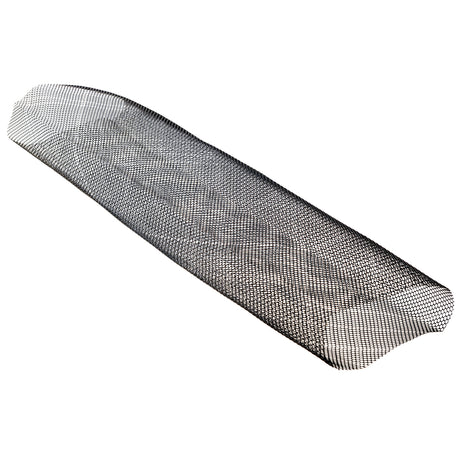
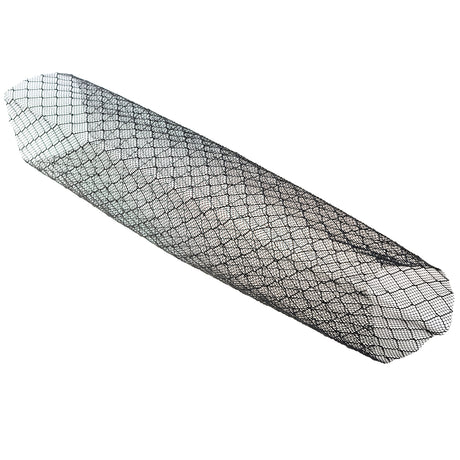
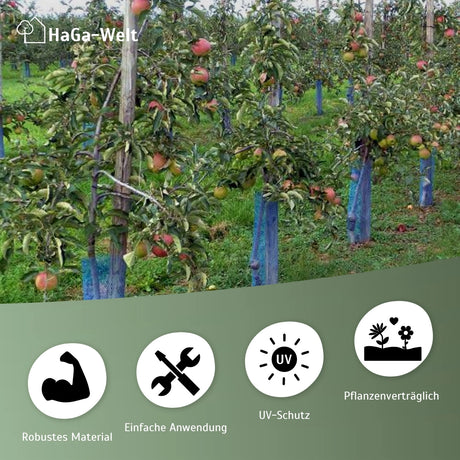
Always make cuts slightly diagonally above a bud. Remove shoots that grow inward or cross over. The goal is an airy crown that allows light and air to penetrate – this keeps the tree healthy and resilient. To further protect your trees from browsing, there are suitable tree protection products .